


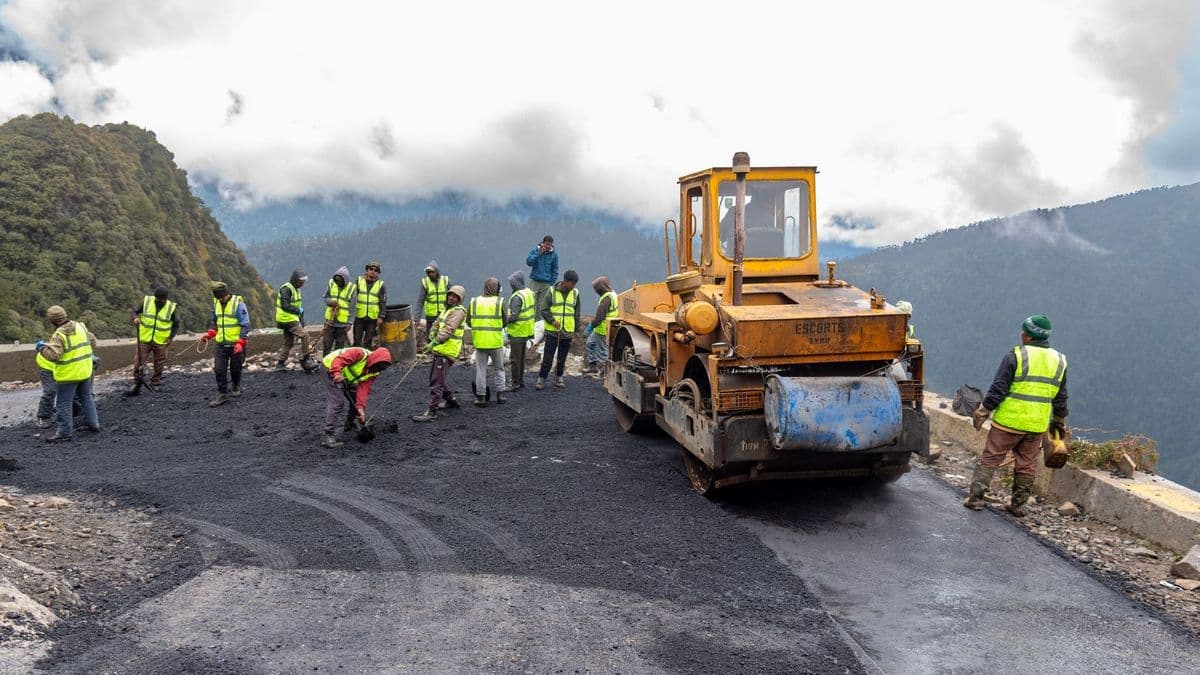
Almoradí town hall has put out to tender a project to renew road surfaces (renovación del firme), road markings and traffic-calming measures. The budget is €1m of municipal investment. The works will cover more than 30 streets and avenues, and the project is part of the council's "Almoradí, Corazón de la Vega Baja" strategy.
The tender was published on 20 October on the Plataforma de Contratación del Sector Público (Spain's public-sector procurement platform), and bids are accepted until Tuesday 10 November. Once the contract is awarded, the works are set to take three months. The town hall has not yet said when they will start, in what order the streets will be done, what traffic and parking restrictions will apply, or what diversions will be in place.
The streets named in the project include San Fermín, Nueve de Octubre, La Purísima, Pintor Sorolla, España, Nuestra Señora de Monserrate, Mayor, Doctor Fleming, San Andrés, Donadores, San José, Los Albatros, Los Flamencos, Granados, Los Lirios, Gaviotas, Liceo Politécnico, Castaños, Adrián Viudes, Manzanos, Perpetuo Socorro, San Emigdio, Azahar, Antonio Machado and Cristóbal Colón. Also on the list are avenida San Luis, avenida de las Acacias, Heredades, avenida del Estadio Sadrián, avenida del Bañet and avenida Miguel Hernández. The list is not complete: the project covers other streets too.
In the first quarter of 2025, Almoradí completed a resurfacing plan worth €620,007. Surfaces were renewed on Maestro Serrano, Escorial, La Reina, Carretera de Heredades, Camino Catral, Santa Teresa, Antimo Illescas, Alicante, Santo Cristo, Juan Nebot, Daniel Miller, Guardamar, Rafael Alberti and Ciudad de Elche, as well as other streets in the centre.
Other projects are under way at the same time: replacing public lighting with LED, renewing the central area (calle Canalejas and surrounding streets) and work on the manzana polideportiva (sports-facilities block), which covers about 10,000 sq m. The town hall is also preparing new projects: improvements around the Teatro Cortés and the Museo del Terremoto (Earthquake Museum), and the reurbanisation of avenida Doctor Marañón and neighbouring streets.