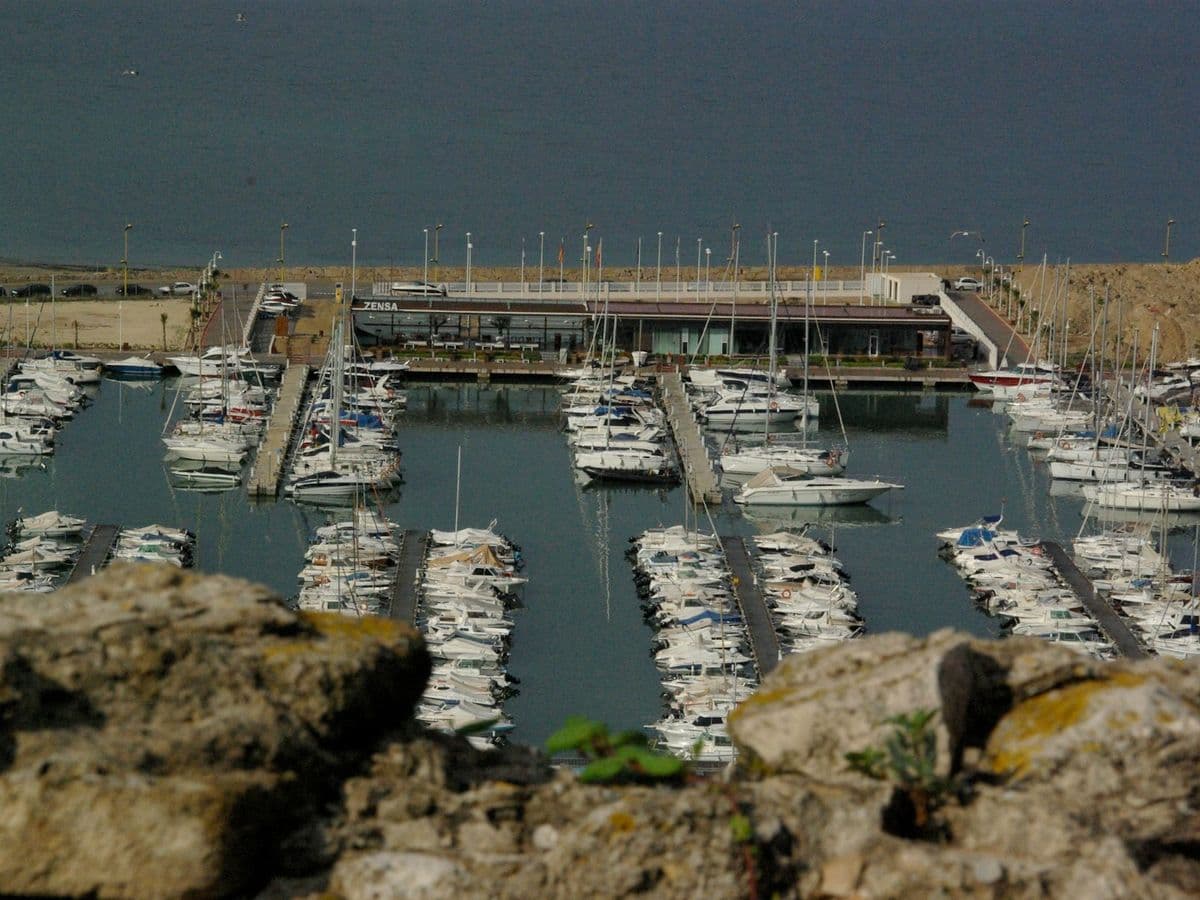
Dénia's full council meeting (pleno) on Thursday 29 October approved a proposal to ask the regional government (Generalitat) once more to declare the town a "stressed" housing market zone (zona de mercado residencial tensionado). The proposal was backed by PSPV and Compromís, the parties in the town hall's governing group. The opposition PP, Vox and Gent de Dénia voted against. The story was reported by La Marina Plaza (eldiario.es).
Mayor Rafa Carrió, who is also councillor for housing (concejal de Vivienda), said the town hall will study going to court if it gets no answer. He said the aim of a lawsuit would not be to have a court declare the zone. It would be to force the Generalitat to respond and use its powers. The decision rests with the Generalitat as the competent administration.
This is the town hall's third official request of this kind in two years, and the two earlier ones went unanswered. The zone is provided for in Spain's national housing law (ley estatal de Vivienda) and would allow the town to use mechanisms that limit rents. Carrió set out three aims: to curb excessive rent rises, to give families stability, and to stop more and more residents having to leave Dénia because of housing costs.
As a next step, the town hall will review the case file (expediente), add to the technical documentation and present data on the housing situation in Dénia, so that it can submit a properly reasoned request. If the Generalitat again stays silent, the town hall will look at legal opinions, formal administrative demands (requerimientos administrativos) and possible routes through the courts. It has not said how long it will wait for a reply, or what form any legal action would take.
Dénia has joined the Generalitat's Plan Vive. The mayor said the town hall does not object to more protected housing, but that future projects will not solve the difficulties families face with renting now. In his view, new public housing and rent regulation should go ahead side by side, and the regulation is not aimed against property owners, estate agencies or the tourist sector.
Among the measures within its own powers, the town hall lists limiting new tourist lets (viviendas de uso turístico, VUT) in the town centre, and an ordinance (ordenanza) to regulate that activity. It also lists grants for repairing empty homes so they can be let long term, and reserving land for protected housing.